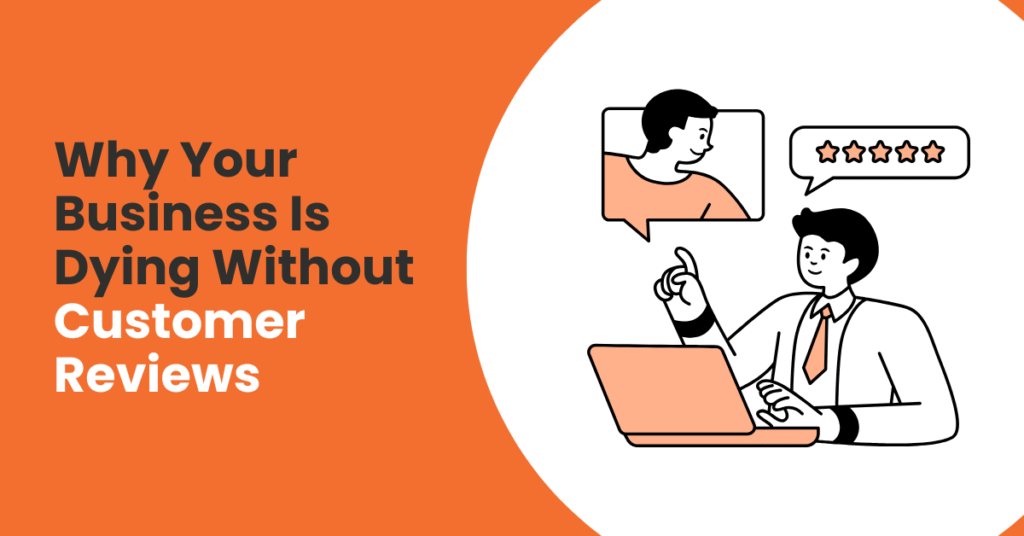
Why Your Business Is Dying Without Customer Reviews
The Truth About Customer Reviews That Nobody Talks About
We’re obsessed with five-star ratings. Businesses chase them. Customers beg for them. “If you loved your experience, please leave us a five-star review!” has become the battle cry of customer service everywhere.
But here’s what nobody says out loud: five-star reviews are kind of useless for actually improving your business.
Don’t get me wrong,five-star reviews are great for social proof. They make your business look good. Potential customers see a bunch of five-star ratings and think, “Yeah, this place probably doesn’t suck.”
But five stars don’t tell you anything. “Amazing service!” doesn’t teach you what amazing actually means. “Highly recommend!” doesn’t reveal what problems you still have.
Three and four-star reviews? Those are gold.
A three-star review usually means the customer cares enough to give you feedback. They didn’t have such a bad experience that they’re just venting anger (that’s usually a one or two). They had a real experience with real problems, and they’re telling you about it.
A four-star review is often even better. It’s someone who loved most of what you did but hit one specific friction point. That friction point is often something your customers silently endure but wouldn’t pay extra to avoid.
Also Read: Google Ads Signals vs Keywords: How to Adapt

How We Started Taking Reviews Seriously (And Made $40K More)
Three years ago, we were doing what every other business does: chasing five-star ratings and ignoring everything else.
One of our team members (shout out to Marcus) got fed up with this. He started actually reading customer reviews—all of them, including the bad ones. Not looking for patterns in what was “wrong” with customers. Looking for patterns in what was actually wrong with us.
Within a month, he’d identified something wild: about 15% of customers complained about our pricing, but not because it was expensive. They thought it was confusing. We had three pricing tiers, but customers didn’t understand what they were actually paying for or which tier they needed.
So we redesigned our pricing page. Clearer value propositions. Honest comparisons between tiers. A simple “most popular” indicator on the mid-tier option.
We didn’t change the prices. Just how we explained them.
Within three months, our conversion rate on the pricing page jumped from 8% to 12%. For our business, that translated to about $40,000 in additional annual revenue. From changing our pricing page.
We would never have discovered this if we’d only focused on five-star reviews.
Also Read: Keyword Research As The Heart & Foundation of Successful SEO

The Weird Truth About Negative Reviews
Here’s something counterintuitive: negative reviews might actually help your business.
Studies show that products with a mix of reviews (including some negative ones) actually convert better than products with only five-star reviews.
Why? Because potential customers don’t trust a product that’s perfect. It feels fake.
But a product with mostly five stars and a few three-star reviews? That feels honest. Real. The negative reviews add credibility to the positive ones.
A customer sees: “This is amazing! I love it!” (5 stars) AND “Great product, but the customer service took forever to respond” (3 stars).
They think: “Okay, this product is really good, but it’s not perfect. That’s realistic. And they’re honest enough to show the bad reviews. I can trust that.”
A customer sees: “AMAZING!!!!” (5 stars) “PERFECT!!!!” (5 stars) “THE BEST!!!!” (5 stars) for 200 reviews straight.
They think: “Yeah, right. They probably paid for these reviews or filtered out anything negative.”
This is why deleting negative reviews is a terrible strategy (aside from being unethical). Those negative reviews make your positive reviews more credible.
Also Read: Word of Mouth Marketing – The Power of Real Conversations

How to Actually Get More Reviews (Without Being Annoying)
The biggest complaint I hear from businesses: “We can’t get customers to leave reviews.”
Most businesses approach this wrong. They wait until after the transaction and send a generic email: “Please leave us a review!”
Nobody’s motivated to do that.
Here’s what actually works:
Ask in the moment
Right after a great experience, when the customer is happy and thinking about you, ask for a review. Not in an email. In person, if possible.
“How was everything today? I’m so glad! Would you mind sharing that on Google so other people know how great you are?”
In-the-moment requests have a 5x higher response rate.
Make it easy
Don’t ask customers to find your Google page and navigate to reviews. Give them the link.
“Can I text you a link? Takes literally 30 seconds to leave a review.”
Ask for specific feedback
Instead of “leave us a review,” try: “What was your favorite part of your experience?” Then: “Would you mind sharing that on Google?”
Incentivize it (the right way)
You can’t pay for reviews—that’s illegal and unethical. But you can offer small incentives for honest feedback.
“If you leave us a review, you’re entered to win a free [product/service]. We love honest feedback, good or bad.”
Make it part of your process
Build review requests into your normal workflow. For a service business, it’s the goodbye at the end of the appointment. For e-commerce, it’s a follow-up email 5 days after delivery.
For SaaS, it might be a gentle nudge after the first month of using the product.
Also Read: The Secret to Turning Organic Traffic into Quality Leads
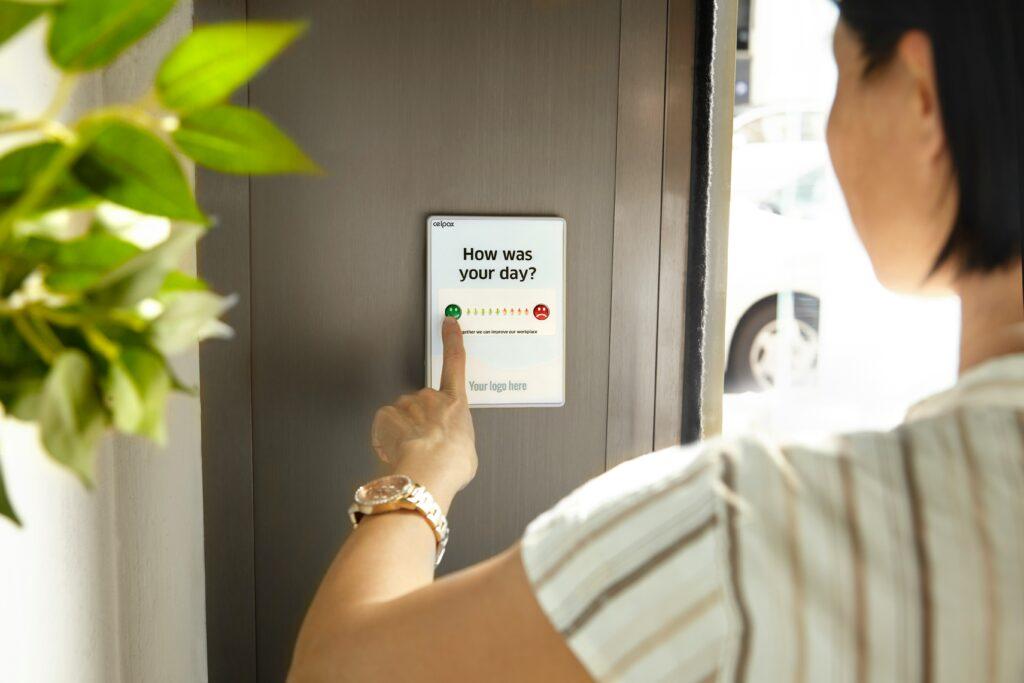
The One Thing That Actually Changed Our Relationship With Reviews
For years, we treated reviews as a marketing thing. Something the marketing team managed.
Then we started treating reviews as a product feedback thing. We shared all customer reviews—good and bad—with our product team every week.
Everything changed.
Our product team stopped building features based on what they thought customers needed. They started building features based on what customers were actually asking for.
Our support team stopped just solving problems. They started collecting data about what problems kept showing up.
Our marketing team stopped just promoting the business. They started understanding the real customer experience.
Within six months, our product improved measurably. Our customer satisfaction went up. We had fewer complaints and more enthusiastic advocates.
All because we started taking customer reviews seriously, not as a marketing metric, but as genuine feedback about whether our business actually works.
Also Read: The Small Business Guide to Lead Generation That Works

The Weird Paradox of Customer Reviews
Here’s the paradox: the businesses most obsessed with their review rating are usually the ones with the worst reviews. They’re fighting so hard to control the narrative that they miss the actual feedback.
The businesses with the best reviews are usually the ones who aren’t obsessed with ratings. They’re obsessed with actually delivering a great experience. Then the reviews follow naturally.
A customer who has a genuinely great experience doesn’t need to be asked twice to leave a review. They tell people about you. They leave a detailed review explaining why they love you.
A customer who has a mediocre experience? No amount of “please leave us a review!” will get them excited to share.
So the real work isn’t managing reviews. It’s building something worth reviewing.

What You Should Do This Week
Having a good brand reputation is the key in nowadays business. If you take nothing else from this, do this:
- Read your last 20 customer reviews. All of them.
- Look for patterns. What’s mentioned more than once?
- Pick one pattern. One specific thing customers keep mentioning.
- Fix it. Today if possible.
One of my favorite business quotes is: “The customer’s perception is your reality.”
Your customer reviews are telling you what your reality actually is. Whether that’s good news or bad news depends on whether you’re actually listening.
Most businesses aren’t. That’s your competitive advantage if you are.
Also Read: 10 Free SEO Tools to Improve Your Digital Marketing Faster