Top 5 Local Services Strategies That Bring Customers Back
For Local Services, getting a customer once is only part of building a business that lasts. The customer who comes back for another appointment, a maintenance visit, or a second job becomes a relationship worth far more than a single payment.
Customer Retention also costs less than constantly searching for new people, because someone who already knows and trusts you needs much less convincing.
Local Service Providers can put their energy into creating reasons for existing customers to return instead of always chasing new ones. Here are five Local Service Strategies that can help encourage repeat business.
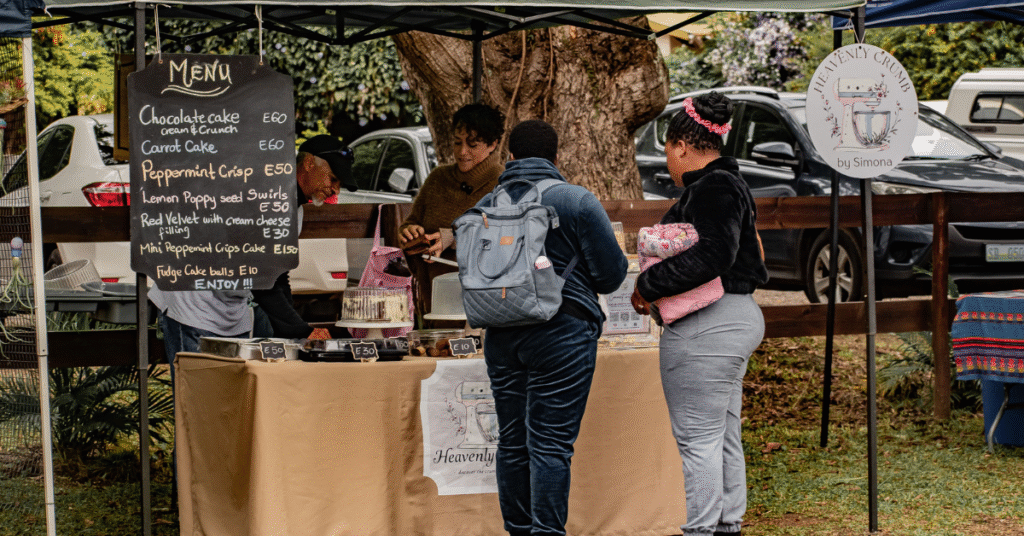
1. Follow Up After the Local Services Visit
The customer relationship doesn’t have to end when the job is finished. A simple follow up shows people that your business still cares about their experience.
Depending on the service, that could be a message asking whether everything is working properly, a thank you note, or a quick reminder that they can reach out if questions come up later. It takes only a minute, but it leaves a strong impression.
A follow up can also reveal future needs. A customer who recently had an air conditioner repaired may eventually need maintenance. A customer who booked a cleaning may be interested in scheduling another visit once the first one has worn off.
Staying in contact keeps your business familiar. When the next need appears, customers don’t have to start their search from scratch, because your name is already in their minds. That alone is one of the simplest forms of Customer Retention.
Timing matters here. A message sent a few days after the job feels caring, while one sent weeks later can feel random. If you can, keep a short note about each job so your follow up sounds personal, such as mentioning the specific repair or the room that was cleaned. Customers notice when a business remembers the details.

2. Remind Customers When They May Need You Again
Some services naturally happen on a schedule. Customers may need regular cleaning, maintenance, inspections, landscaping, or other ongoing work. The problem is that people are busy, and they don’t always remember when it is time to book again.
Service reminders solve this. Instead of waiting for customers to remember on their own, you can send a useful reminder based on the service they received before.
The message doesn’t need to feel like a hard sales pitch. A friendly note about an upcoming maintenance period or a recommended service interval is often enough. For example, a pest control company can reach out before the rainy season, and a heating technician can remind customers to book a check before winter.
When the timing is relevant, the reminder feels helpful instead of pushy. It also makes returning easier, because the customer only has to say yes rather than remember, search, and decide all at once.
A simple calendar or spreadsheet is usually enough to keep track of who is due for a reminder. Many Local Service Providers already have this information sitting in old invoices, and putting it to use costs almost nothing.
Even a short text message that says it has been six months since the last visit can bring in work that would otherwise have gone to a competitor.
Also Read: 10 Free SEO Tools to Improve Your Digital Marketing Faster

3. Give Existing Customers a Reason to Return
This is one of the marketing strategy that cannot be looked over. People who already know your business sometimes need a small push to book again. Local Service Providers can create offers made specifically for existing customers, such as returning customer discounts, seasonal services, maintenance packages, or special booking periods.
The offer should make sense for the service. A landscaping company could offer a seasonal maintenance package, while a cleaning service could give a small incentive to customers who schedule their next appointment in advance.
The goal isn’t to hand out discounts all the time. Constant discounts can teach customers to wait for a deal, and they can cut into your profit. What works better is giving people a relevant reason to consider your service again.
A good offer feels like a thank you for coming back, not a trick to get more money out of them. When customers feel appreciated, they are more likely to stay loyal and to recommend you to friends and neighbors.
Seasonal timing also helps. A landscaper can promote a spring cleanup in early March, and an air conditioning company can offer a service check before the hottest months begin. Offers like these feel natural because they match what customers are already thinking about at that time of year.
Also Read: How Social Media Management Can Help to Boost Your Company

4. Keep Local Services Communication Relevant
Sending too many messages can teach customers to ignore everything you send. After a while, even a useful message gets lost in the noise.
Instead, focus on sharing information that matches the customer’s past experience. Someone who booked a plumbing repair doesn’t necessarily need to see every promotion your business sends.
A note about maintenance related to that repair, or another service that could genuinely help them, is much more useful.
Personal communication makes customers feel that you understand their needs. It also makes your marketing work harder, because people pay more attention when a message is about something they care about.
You don’t need complicated software to do this. Even a simple list of past jobs and dates can help you decide who should hear about what. Keep messages short, friendly, and clear, and give people an easy way to reach you if they have questions.
It also helps to ask customers how they prefer to be contacted. Some people like a text, others prefer a phone call or an email. Respecting that choice shows care, and it reduces the chance that your message gets ignored or marked as spam.
Also Read: Unleashing the Power of Click Marketing As PPC, CPC, and CTR
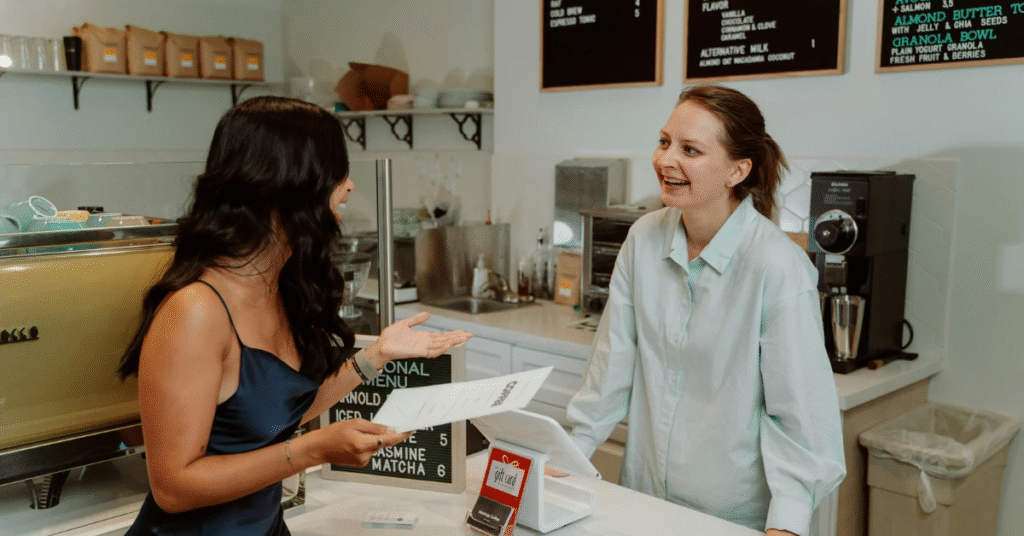
5. Make Repeat Booking Easy
Even when customers want to return, a complicated booking process can stop them. If they have to search for your business again, hunt for a phone number, explain their details from the beginning, and fight with a confusing booking system, many will simply postpone the service.
Local Service Strategies that work well make repeat bookings feel effortless. Clear contact information, simple booking options, and familiar service choices all help. If a customer had the same service last time, let them choose it again with one tap or one short call.
For recurring services, you can also offer to schedule the next appointment before the current one is finished. A customer who is already happy with the work is more likely to say yes right then than to remember later.
The easier it is to book again, the less effort customers need to make. Removing even a small amount of friction can turn a good intention into an actual appointment.
Online booking forms, a saved customer profile, or a direct messaging number can all help. If you run a small team, even a clear line on your invoice that explains how to book the next visit can make a difference.
Think about how many steps a returning customer has to take, then remove as many as you can.
Also Read: 10 Underrated Marketing Channels You Shouldn’t Ignore Today

Keep the Local Services Relationship Going
Customer Retention doesn’t always require complicated campaigns. For Local Services, small actions can make a meaningful difference: following up after a job, sending useful reminders, offering relevant incentives, keeping communication personal, and making repeat bookings simple.
Each of these habits is easy to start, and together they can turn a one-time service into an ongoing relationship. Customers who feel remembered and respected tend to come back, and they often bring other people with them.
Instead of treating every completed appointment as the end of the customer journey, see it as the beginning of the next chance to provide value.
Pay attention to which of these habits brings back the most work, and do more of it. Over time, those small, steady efforts build a base of loyal customers that supports your business even when new leads slow down.
Also Read: How to Convert Clicks: Guide to Improve Ecommerce Landing Pages