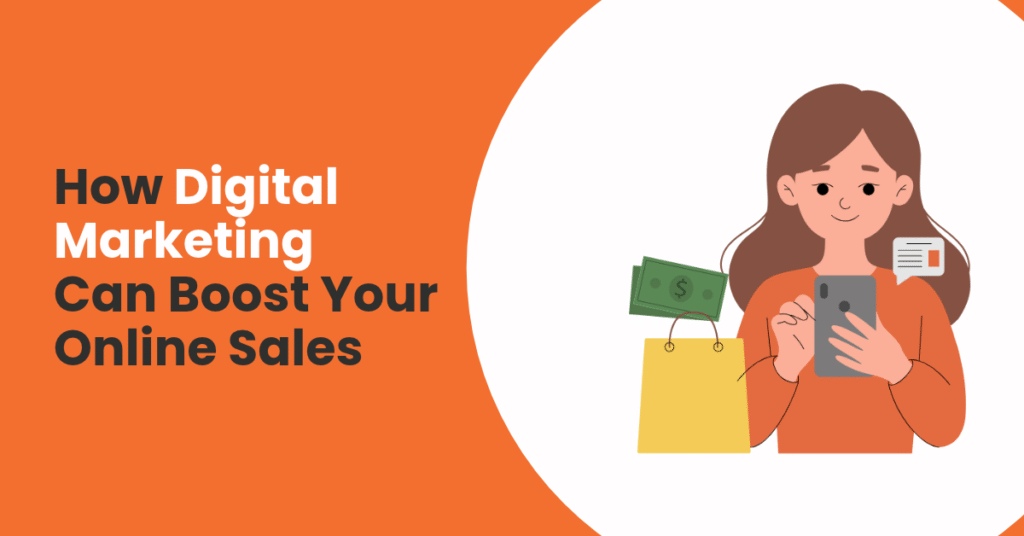
How Digital Marketing Can Boost Your Online Sales
Selling online takes more than putting products on a website and hoping customers find them. Plenty of good stores sit quietly on the internet because nobody knows they are there. Digital Marketing can help businesses attract potential buyers, build interest, and guide them toward making a purchase.
From search and social media to digital advertising and email, different channels can support different stages of the online sales journey. A clear Digital marketing strategy ties those channels together so that every effort has a purpose, and this post looks at how that works.
Also Read: Finding Marketing Opportunities Hidden in Brand Competitors
Use Digital Marketing to Reach Customers Before They Buy
The buying process often starts well before someone visits a product page. A potential customer might first see a product on social media, look up information on Google, or notice an ad while browsing something else entirely.
That gives your business several chances to introduce its products before the customer is ready to buy. Nobody has to be pushed into a purchase on the first encounter. Early contact simply makes your brand familiar.
Digital Marketing helps you reach people during these early stages. Useful content, social posts, search visibility, and advertising can all create awareness and bring people into the customer journey.
The sooner a business becomes part of that journey, the more opportunities it has to build interest. By the time a shopper is ready to compare prices, a brand they have already seen a few times has a clear advantage.
This is also why patience matters. Early marketing may not produce instant sales, but it prepares the ground for the sales that come later.
Also Read: Customer Acquisition to Building a Sustainable Growth Engine

Digital Marketing Makes Product Discovery Easier
Customers can’t buy something they can’t find. A strong online presence should make it easy for people to discover your products, whether they arrive through a search, a social post, or a recommendation.
Search optimization, social media content, online advertising, and product recommendations can all help customers find what they are looking for. Clear titles, good photos, and organized categories make the process smoother.
The message matters too. Instead of just showing a product name, explain what the product does, what problem it solves, and why someone might need it. A shopper looking at a backpack wants to know whether it fits a laptop, survives rain, and stays comfortable on long walks.
Clear information helps customers move from simple curiosity to genuine interest. When people understand a product quickly, they are far more likely to keep going.
Reviews and photos from real buyers can add even more confidence, since shoppers can’t touch the product before they pay.
Also Read: 10 Free SEO Tools to Improve Your Digital Marketing Faster

Use Digital Advertising to Create More Opportunities
Digital Advertising can help you reach specific audiences and bring potential customers directly to the right products or landing pages. A campaign might introduce a new product, promote a seasonal offer, or remind earlier visitors about items they looked at.
The key is connecting the ad to the right destination. If an ad promotes a particular product, customers should find that product quickly after clicking. A confusing path between the ad and the purchase page creates unnecessary friction, and most people won’t bother to work through it.
Think about the experience from the shopper’s side. They saw something that interested them, clicked, and expected to find it. If they land on a general homepage instead, the excitement fades.
A clear link between the ad and the shopping experience makes it easier for interested visitors to continue toward a purchase. It also makes your advertising budget go further, since fewer clicks are wasted.
Testing different headlines and images can show which version brings more buyers, and small improvements add up quickly over many campaigns.
Also Read: Launch Your Facebook Ads Campaign Without Wasting Budget

Reduce Friction at Checkout
Even interested customers may abandon a purchase if checkout becomes difficult. Too many steps, unclear shipping information, unexpected costs, or limited payment options can all make people reconsider.
Digital Marketing can’t fix every checkout problem, but it can help you see where customers are dropping out. If many visitors reach the checkout page and then leave without paying, that behavior is a signal that something in the buying process needs attention.
You might find that shipping costs appear too late, that the form asks for too much information, or that the page loads slowly on phones. Each of these is a small problem with a big effect on sales.
Making checkout simpler removes barriers between product interest and a completed purchase. Fewer steps, clear prices, and familiar payment options help shoppers finish what they started.
Offering guest checkout, showing the total cost early, and confirming delivery times can also make buyers feel safer about completing the order.
Also Read: How Google Ads for Local Service Can Help You Get Customers

Bring Interested Customers Back
Not every visitor buys during their first visit. Some need more time to compare products. Others are waiting for payday, a sale, or a better moment.
This is where follow up marketing becomes useful. Email campaigns, remarketing, and other forms of digital communication can remind interested customers about a product or offer. The message works best when it connects to something the customer previously viewed or interacted with.
The goal isn’t to send the same advertisement over and over. That quickly becomes annoying and can push people away from your brand.
Instead, use follow up communication to share helpful reminders or information that supports the decision. A note about limited stock, a useful guide to the product, or a short answer to a common question can be enough to bring someone back and help them finish the purchase.
Timing matters as well. A reminder sent a day or two after someone leaves usually feels helpful, while one sent too often starts to feel like pressure.

Measure Sales, Not Just Traffic
High website traffic can look impressive, but traffic alone doesn’t guarantee more sales. Businesses should also look at what visitors do after they arrive.
Which campaigns generate purchases? Which products receive the most attention? Which channels bring customers who actually complete transactions? Questions like these give you more useful information than a simple count of clicks.
For example, one campaign may bring a large amount of traffic but very few purchases, while another brings fewer visitors and produces more sales. If you only watched traffic, you might end up spending more on the weaker campaign.
Understanding this difference can help you improve your digital marketing strategy and put your resources into the activities that truly contribute to sales. It turns guesswork into decisions based on evidence.
Over time, this habit helps you see which products, audiences, and channels deserve more of your budget and which ones can be paused.
Also Read: The Secret to Turning Organic Traffic into Quality Leads

Connect Digital Marketing With the Customer Journey
Online sales usually involve several interactions. A customer might discover a product through social media, search for reviews, visit the website, leave without buying, and return later after receiving an email. You can see in this link on how to do social media management to boost your company.
Digital Marketing can connect these different moments. Rather than treating every channel as a separate project, businesses can use each one to support the next step in the journey.
Social media might introduce the product. Search might help the customer compare options. Email might bring them back when they are ready. When the message stays consistent across all of these, the customer feels guided instead of confused.
The result is a more connected experience that helps people move from discovery to consideration and eventually to purchase.
A shopper who sees the same offer, tone, and branding at every step is more likely to trust the business and finish the order.
Also Read: A Thriving E-commerce Business Strategies That Actually Work

Turn Online Attention Into Sales With Digital Marketing
Digital Marketing can support online sales at every stage, from helping customers discover a product to reminding them to return and making the final purchase easier.
The most important thing is to look beyond simply generating traffic. Focus on reaching the right audience, providing useful product information, reducing friction, and understanding which marketing activities actually lead to sales.
When each part of the customer journey works together, online attention has a much better chance of becoming a completed purchase.
Also Read: Stand Out in Market by Unique Selling Point (USP) Marketing