Great Brands Grow From Strong
Brand Reputation

Ever see one brand become successful or fail because of their reputation? Yes, reputation is important. Brand reputation can absolutely make or break its success. We’re not just talking about minor differences in performance, we’re talking about the fundamental difference between thriving and failing.
Here’s what many businesses still don’t fully grasp: it’s not just about having a great product with impressive features or running strong marketing campaigns with clever messaging.
Those things matter. But what really determines your long-term success is something more intangible yet infinitely more powerful, how people genuinely perceive your brand when they encounter or think about it.
Whether interactions happen online through social media and websites or offline through physical stores and in-person experiences, your brand reputation represents the sum total of every experience, every story, and every emotion your audience associates with your business. It’s the collective memory of everyone who’s ever encountered you in any way.
And here’s the thing that makes reputation so valuable: once you’ve built a strong one through consistent positive experiences and genuine trustworthiness, it becomes one of your most powerful business assets.
It works for you even when you’re not actively marketing. It opens doors that would otherwise stay closed. It gives you the benefit of the doubt when things go wrong. A solid reputation is worth more than almost any other business asset you can acquire.
Also read: 5 Metrics to Track for Measuring Google Ads Success

The Importance of Brand Reputation
Let’s get clear on what we’re actually talking about when we say “brand reputation.” It’s the overall impression people have about your company in their minds, how much they trust you to deliver on your promises, how much they respect what you do and how you do it, and how deeply they believe in what you stand for beyond just making money.
Brand reputation isn’t something you can simply declare or manufacture out of thin air. It’s earned over time and shaped by countless factors:
Customer Experiences
Every single interaction someone has with your brand contributes to their overall impression. The quality of your product or service, yes, but also how easy it was to make a purchase, how helpful your customer service team was, whether shipping arrived on time, how simple the return process was if needed. All of it counts.
Product or Service Quality
This is foundational. Does what you sell actually do what it claims to do? Does it solve the problem it promises to solve? Is the quality consistent or does it vary wildly? Your reputation is built on the reality of what you deliver, not just your marketing promises.
How Your Brand Responds to Feedback
Things will go wrong occasionally, that’s inevitable in any business. What separates brands with strong reputations from those with damaged ones is often how they handle problems.
Do you take ownership or deflect blame? Do you make things right or offer excuses? Do you actually listen to feedback or dismiss it?
Online Reviews and Social Media Conversations
In today’s world, your reputation is increasingly shaped by what people say about you publicly online. Reviews on Google, Yelp, or industry-specific platforms. Social media mentions and comments. Forum discussions. Reddit threads. These public conversations create a narrative around your brand that influences how others perceive you.
The Values and Personality Your Brand Consistently Shows
People form impressions not just based on what you sell but who you are as a brand. Are you serious and professional or playful and irreverent? Are you focused on innovation or tradition? Do you care about sustainability, social justice, or community involvement? The personality and values you consistently demonstrate become part of your reputation.
In simple terms, your brand reputation is what people say about your brand when you’re not in the room to defend yourself or explain your side. And in 2025, those conversations increasingly happen online where they’re permanent, public, and searchable. That’s both a challenge and an opportunity.
Also read: 10 Free SEO Tools to Improve Your Digital Marketing Faster

Why Brand Reputation Is Impactful
Understanding why reputation is so crucial helps you prioritize it appropriately in your business strategy. Here’s why it deserves serious attention and investment.
1. Trust Builds Loyalty
At the most fundamental level, people buy from brands they trust. It’s that simple and that complicated. Trust is the foundation of every meaningful business relationship, just like it’s the foundation of every meaningful personal relationship.
When your reputation is strong, when people trust you to deliver quality, treat them fairly, and stand behind your products, customers are exponentially more likely to come back for repeat purchases rather than shopping around each time.
They’re more willing to recommend you to friends and family without hesitation. And critically, they’ll defend your brand during tough times when negative situations arise or competitors attack you.
Loyal customers who trust you are worth exponentially more than one-time buyers. They have higher lifetime value, lower acquisition costs (since they return without needing new marketing), and they become advocates who bring in new customers through word of mouth. All of that starts with a reputation that earns trust.
2. Reputation Affects Revenue
This isn’t just about feelings and perceptions—reputation has direct, measurable impact on your bottom line in multiple ways.
A positive reputation actively attracts more customers because people naturally gravitate toward brands with good reputations when making purchase decisions. You show up in recommendation discussions. You get chosen over alternatives. You benefit from positive word of mouth that brings in new business without advertising costs.
Even more interesting, a strong reputation allows you to charge premium prices compared to competitors. People willingly pay more for brands they trust and respect.
Apple is the obvious example, their products command premium pricing largely because of reputation, not just features. The same principle applies to businesses of all sizes.
Conversely, a damaged reputation can absolutely devastate your business overnight. Sales dry up as people avoid you. Existing customers leave. Your ability to charge competitive pricing erodes. The financial impact of reputation damage is often greater than the initial incident that caused it.
3. Influences Decision-Making
Today’s consumers don’t just see an ad and immediately buy anymore. The path to purchase has become much more complex, and reputation plays a central role throughout that journey.
Before making any significant purchase decision, consumers today actively research brands. They read through reviews on Google and specialized platforms.
They check social media to see what people are saying. They look for testimonials from other customers. They might even search for news articles or forum discussions about your brand.
All of this research is essentially people trying to understand your reputation before trusting you with their money. Positive reviews, glowing social mentions, and authentic testimonials heavily influence whether they ultimately choose your brand or decide to go with a competitor who seems more trustworthy based on their research.
4. Gives You a Competitive Edge
Here’s something powerful about reputation: a truly trusted brand doesn’t need to shout the loudest or spend the most on advertising to win. The reputation itself does much of the heavy lifting.
Strong reputation builds authority in your market. People perceive you as a leader, an expert, someone who knows what they’re doing. This makes your brand stand out naturally even in crowded, competitive markets where dozens of companies are fighting for attention.
When people are comparing options, a recognized and respected reputation often becomes the deciding factor, even if your price is slightly higher or your features are slightly different. Trust and credibility are differentiators that are difficult for competitors to replicate quickly.
Also read: The Small Business Guide to Lead Generation That Works

How to Build a Positive Brand Reputation
Understanding reputation’s importance is one thing. Actually building a strong one requires deliberate, consistent effort across multiple areas. Here’s your practical roadmap.
1. Deliver Consistent Quality
This is the absolute bedrock foundation that everything else is built upon. You simply cannot fake your way to a good reputation if the core quality isn’t there. Every single interaction someone has with your brand counts and contributes to their overall impression.
From your website user experience to your product functionality to your customer service interactions to your packaging to your follow-up communications, consistency in quality across all these touchpoints shows reliability and professionalism. People come to know what to expect from you, and that predictability builds trust.
Inconsistency, on the other hand, destroys trust rapidly. If someone has a great experience one time but a terrible experience the next time, they don’t know which version of your brand is the “real” one. That uncertainty makes them hesitant to recommend you or return themselves.
2. Be Transparent and Honest
Here’s a truth that many brands struggle with: mistakes will happen. Products will occasionally have defects. Shipments will get delayed. Customer service will drop the ball. Systems will fail. This is inevitable when running any business.
What separates brands with strong reputations from those with damaged ones often isn’t whether mistakes happen, it’s how you respond when they do. When something goes wrong, own up to it directly and honestly. Don’t make excuses. Don’t deflect blame onto external factors or other parties. Don’t hide behind corporate speak.
Honest, transparent communication builds credibility faster than perfection ever could. People respect brands that admit mistakes and take responsibility. They lose respect for brands that make excuses or try to cover things up. A sincere apology and genuine effort to make things right can actually strengthen customer relationships rather than damage them.
3. Engage Authentically Online
Your brand’s online presence isn’t just a broadcast channel, it’s a conversation. People are talking about you, asking questions, sharing opinions, and looking to see if anyone’s listening on your end.
Make it a priority to respond thoughtfully to comments on your social posts. Join relevant discussions in your industry or niche. Show your brand’s personality through your communications. Share behind-the-scenes glimpses. Participate in trending conversations when appropriate.
People genuinely appreciate brands that feel human and relatable rather than corporate and robotic. When you engage authentically, with real personality, real helpfulness, real humor or empathy, you build connections that go beyond transactional relationships. Those connections become the foundation of reputation.
4. Encourage and Manage Reviews
Online reviews have become one of the most influential factors in shaping brand reputation. You need to actively manage this aspect rather than just hoping for the best.
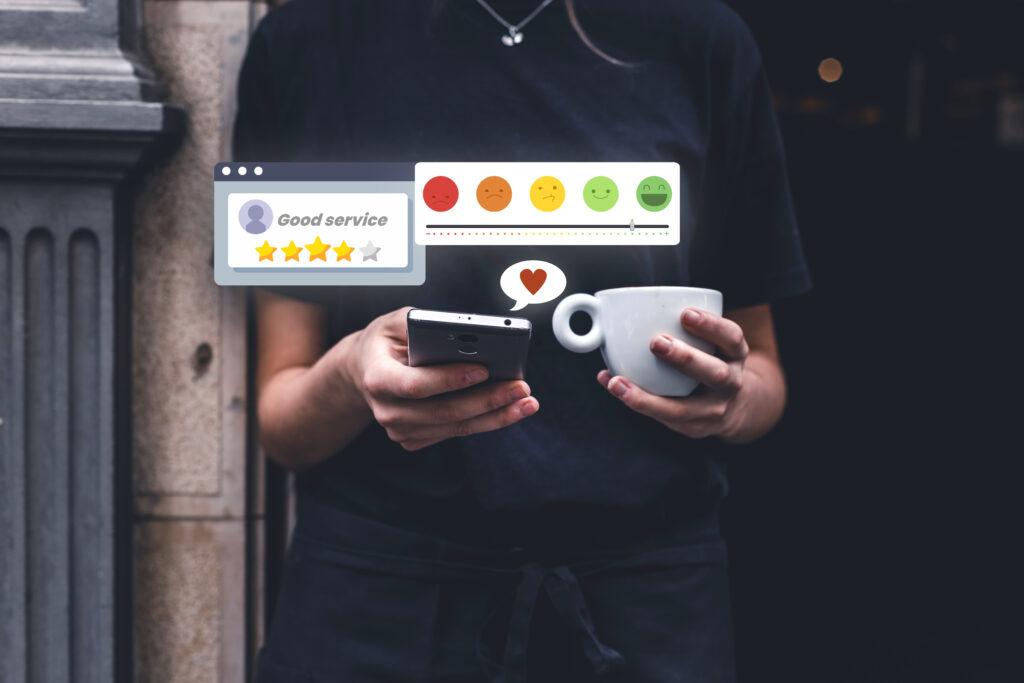
First, encourage satisfied customers to leave reviews. Don’t be shy about asking, most happy customers are willing to share their positive experiences, they just need a gentle prompt and an easy way to do it. Send follow-up emails with direct links to review platforms. Include review requests in packaging. Thank people who do leave reviews.
Second, and this is crucial: respond to reviews, especially negative ones. How you handle criticism and complaints often matters more to observers than the criticism itself. A thoughtful, empathetic response to a negative review shows that you care about customer experiences and are willing to make things right. It also gives you an opportunity to share your perspective on what happened.
Ignoring negative reviews or responding defensively damages your reputation. Addressing them professionally and working to resolve issues demonstrates character that builds reputation.
5. Highlight Your Values
Modern consumers (especially younger generations) increasingly care about more than just product features and prices. They want to support brands whose values align with their own values.
They care about ethics and how you treat employees, partners, and suppliers. They care about sustainability and your environmental impact. They care about diversity, equity, and inclusivity in how you build your team and serve customers. They care about your stance on social issues and how you contribute to communities.
Show clearly what your brand stands for beyond just making profit. But here’s the critical part: you must back up stated values with real actions.
“Performative” values that exist only in marketing messages get called out quickly and damage reputation severely. Authentic commitment to values that you consistently demonstrate through actions builds powerful reputation and deep loyalty with customers who share those values.
6. Leverage Thought Leadership
Positioning your brand as knowledgeable and trustworthy in your field builds reputation as an authority. This means consistently sharing content that can go viral, such as valuable insights, success stories, educational content, and helpful information related to your industry or niche.
Write detailed blog posts that genuinely help people solve problems. Create informative videos or podcasts. Share case studies showing how you’ve helped customers succeed. Offer free resources, guides, or tools. Participate as a speaker or panelist at industry events. Contribute expert commentary to relevant publications or media.
When you consistently demonstrate expertise and provide value without always asking for something in return, people begin to see you as a trusted resource rather than just another business trying to sell them something. That perception becomes a key component of your reputation.
7. Empower Employees as Ambassadors
Your reputation isn’t built solely through official brand communications. Every single person who works for your company represents your brand in their daily lives and online presence, whether you’re aware of it or not.
Employees talk about where they work with friends and family. They post on social media. They participate in online communities. They interact with customers directly. All of these interactions contribute to how people perceive your brand.
A positive internal culture where employees feel valued, respected, and proud of where they work naturally extends outward to your audience.
Happy employees become authentic brand ambassadors who speak positively about the company without being asked to. Unhappy employees become reputation risks who share negative experiences that damage how others perceive you.
Invest in your internal culture and employee experience. Treat your team well. Give them reasons to be proud of working for you. That investment pays dividends in reputation building.

Managing Brand Reputation in the Digital Era
In this technology era, brand reputation lives and breathes primarily online. The digital space is where most conversations about brands happen, where reputations are built or destroyed, where perception is formed.
You need to actively manage your digital reputation rather than hoping things work out on their own. Here’s how to approach digital reputation management wisely:
Monitor Mentions Regularly
Keep close tabs on what people are saying about your brand across social media platforms, review sites, forums, and blogs. You can’t manage what you don’t know about. Set aside time regularly (daily or at least weekly) to check major platforms where your audience gathers.
Set Up Alerts
Use tools like Google Alerts to automatically notify you whenever your brand name is mentioned online. This helps you catch conversations you might otherwise miss and respond quickly when needed. You can also set alerts for key executives’ names, product names, or relevant industry terms.
Use Professional Monitoring Tools
For more comprehensive coverage, invest in reputation monitoring tools like Hootsuite, or similar platforms. These tools track sentiment trends over time, identify influencers talking about you, and help you spot potential issues before they escalate. The investment is worthwhile for protecting something as valuable as your reputation.
Address Issues Early
When negative situations arise, and they will, respond quickly before they have time to grow and spread virally. A small complaint handled promptly and professionally often stays small. Ignored, it can snowball into a major reputation crisis as frustration grows and others pile on.
Engage With Community Feedback
Don’t just monitor and respond to problems. Actively engage with positive feedback too. Thank people who say nice things. Celebrate customers who share their experiences. Participate in discussions even when there isn’t a crisis. These small, consistent interactions build enormous trust over time.
Remember this important principle: it’s not about trying to control the narrative or silence critics. That approach backfires spectacularly in the transparent world of social media. It’s about being an active, authentic participant in the ongoing conversation about your brand.
You can’t control what people say, but you can influence it through your actions and engagement.
Also read: Personas Power-Knowing Your Audience Transforms Marketing
Reputation Is Your Real Marketing
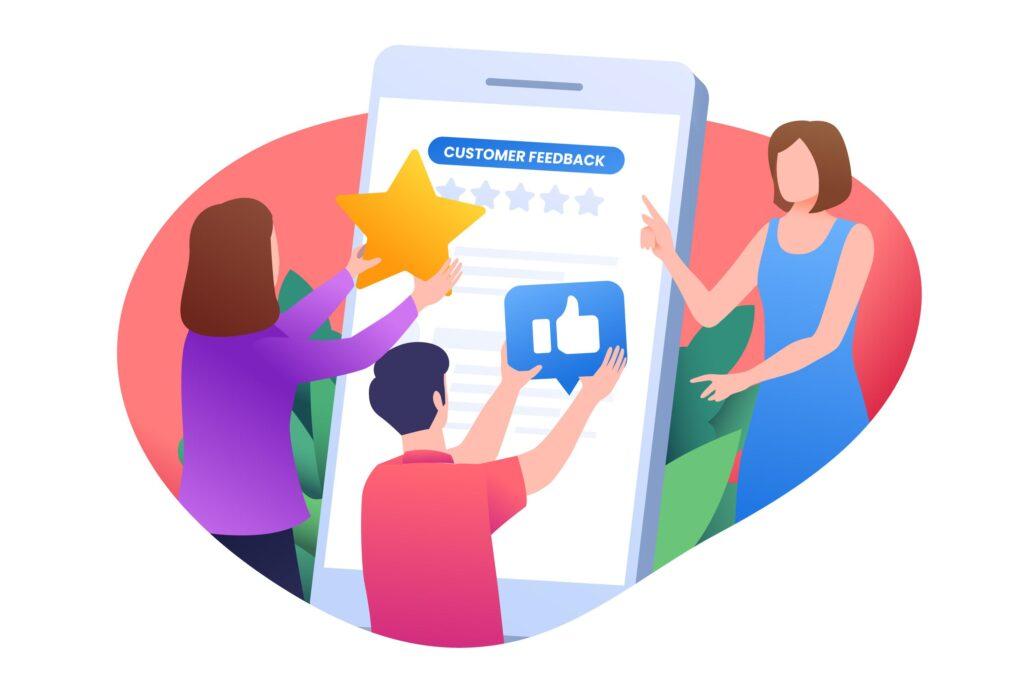
At the end of the day, your brand reputation is genuinely your most valuable marketing tool, more valuable than any ad campaign, more powerful than any promotional strategy, more effective than any sales technique.
Advertisements and promotions can attract initial attention and bring people to your door. But reputation is what keeps customers coming back repeatedly, what turns them into loyal advocates, what makes them choose you over competitors even when alternatives are cheaper or more convenient.
A good reputation doesn’t materialize overnight through a single brilliant campaign or viral moment. It’s earned gradually through consistent honesty, reliable quality, and genuine care demonstrated over time. It’s built one interaction at a time, one customer at a time, one decision at a time.
Every review someone leaves about you, every reply you send to a comment, every action you take that reflects your values, all of it adds up to create a brand story that people either believe in and support, or doubt and avoid. The cumulative effect of countless small decisions and interactions creates your reputation.
When your reputation truly shines, when people trust you deeply and speak highly of you to others, marketing becomes almost effortless. You don’t have to convince people to try you because your customers are already doing that convincing on your behalf.
They become your advocates, sharing their positive experiences and bringing new customers to you through authentic word of mouth that no advertising budget can buy.
That’s the ultimate power of reputation. That’s why building and protecting it should be one of your highest business priorities.
Also read: Brand Awareness-First Step Toward Customer Relationships