Stand Out in Market by Unique Selling Point (USP) Marketing
In today’s oversaturated marketplace, having a great product or service isn’t enough anymore. Every day, customers are bombarded with options—all claiming to be the best, the fastest, or the most affordable. So how do you break through the noise and make customers choose you instead of your competitors?
The answer lies in your Unique Selling Point (USP).
Your USP is the reason customers should pick you over everyone else. It’s not just about being different, it’s about being distinctly valuable in a way that matters to your target audience. When executed correctly, a powerful USP can transform your marketing, increase customer loyalty, and help you command premium pricing.
But here’s the challenge: most businesses either don’t have a clear USP, or they fail to communicate it effectively. If you’re struggling to explain why someone should choose your business, this guide will show you how to define, develop, and leverage your unique selling point to dominate your market.
Also Read: The Impact of Effective CTA – Converting Visitor to Customer

What is a Unique Selling Point (USP)?
A Unique Selling Point (USP) is the distinct benefit or advantage that sets your business apart from competitors. It’s the answer to the question: “Why should I buy from you instead of your competitor?”
Your USP should be:
- Specific: Not vague or generic (avoid “quality” or “great service”)
- Valuable: It solves a real problem or addresses a genuine desire your customer has
- Defensible: Something that’s difficult for competitors to copy
- Relevant: Something your target audience actually cares about
USP vs Branding:
What’s the Difference?
Many business owners confuse their USP with their brand identity. While they’re related, they’re not the same thing.
Your brand is the overall perception and emotional connection people have with your business. It includes your logo, tone of voice, values, and customer experience.
Your USP is a specific, tangible promise, the core reason why a customer should choose you.
For example: Brand statement: “We’re a trusted fitness company that empowers people” USP: “We’re the only online fitness platform offering real-time form correction through AI-powered video analysis, so you get personal trainer-level guidance from home”
The USP is sharper, more specific, and directly tied to a competitive advantage.

Why Your USP Matters More Than Ever
The Commoditization Problem
In nearly every industry, products and services are becoming commoditized. Customers can find dozens of options that are “good enough”—which means price becomes the primary deciding factor. When that happens, margins shrink, and you’re competing on the bottom line.
A clear, compelling USP breaks you out of the commodity trap. It positions you as the only choice for a specific type of customer or need, which allows you to:
– Command higher prices without needing to justify discounts
– Attract better customers who value what you’re known for (rather than just price shopping)
– Build stronger loyalty because customers feel they made the right choice
– Create consistent marketing that resonates across all channels
The Customer Decision-Making Reality
Research shows that customers don’t choose between businesses randomly. They follow a decision-making process:
- Awareness: They realize they have a problem or need
- Consideration: They evaluate options (usually 3-5 alternatives)
- Decision: They choose based on which option offers the most relevant value
A strong USP directly impacts step 3. When a customer quickly understands why you’re the best fit for their specific situation, the decision becomes obvious.
Also Read: The Small Business Guide to Lead Generation That Works

The Competitive Advantage
Your competitors are probably doing similar work, offering similar features, and serving similar customers. A well-defined USP gives you the competitive moat that prevents price wars and commoditization. It’s the reason why luxury brands can charge 10x more than competitors, or why certain service providers have waiting lists while others struggle to find clients.
Common USP Mistakes Small Businesses Make
Before we talk about building your USP, let’s look at what goes wrong. These are the most common pitfalls that water down or destroy an otherwise powerful unique selling point.
Mistake #1: Being Too Vague or Generic
Weak USP: “We provide quality services with excellent customer support.”
Why it fails: Every business claims this. It’s not unique or specific. What does “quality” mean? How is your support different?
Better USP: “We respond to customer support requests within 2 hours, 24/7, with a dedicated account manager assigned to every client.”
This is specific, measurable, and actually differentiates you.
Mistake #2: Focusing on Features Instead of Benefits
Weak USP: “We offer cloud-based software with 50+ integrations.”
Better USP: “Our software cuts your data entry time by 60%, so you can focus on growing your business instead of managing spreadsheets.”
Features describe what you offer. Benefits describe how it improves the customer’s life. Your USP should always lead with benefits.
Also Read: 10 Free SEO Tools to Improve Your Digital Marketing Faster

Mistake #3: Copying Your Competitors’ USP
Some businesses try to be “better at the same thing” as their competitors faster delivery, lower prices, more features. But if you’re always playing defense, you’re always fighting an uphill battle.
A truly powerful USP often comes from going in a completely different direction. Instead of competing on the same axis, you create a new category where you’re the clear leader.
Example: While most tax preparation services compete on speed and price, one company built their USP around “tax preparation for freelancers and entrepreneurs”—a specific niche where they became the go-to expert. Now they own that segment.
Mistake #4: Not Validating Your USP with Actual Customers
Many business owners create a USP based on assumptions about what customers want—but they never validate if customers actually care about that difference.
Before you commit to a USP, ask yourself: “Would customers pay more or choose us specifically because of this?” If the answer is no, it’s not a real USP.
Mistake #5: Having Multiple USPs (or None)
If everything about your business is “unique,” then nothing is. Customers get confused when you try to be all things to all people.
A powerful USP is singular and focused. It’s the one thing you want customers to think of when they think of your brand.

How to Identify or Develop Your Unique Selling Point (USP)
Now that you understand what makes a great USP, let’s work through the process of finding or creating yours. This isn’t something that happens overnight—it requires honest assessment and customer research.
Step 1: Audit Your Current Competitive Advantages
Start by listing everything your business does well. Don’t filter yet—just brainstorm.
– What do customers praise you for?
– What are you naturally better at than your competitors?
– What do you have that others don’t (experience, team, technology, processes)?
– What problems can you solve that competitors overlook?
– What’s easier or more efficient about how you work?
Write down at least 15-20 items. Specificity matters—”good service” is too vague. Instead, write: “We have the only team member in our city with 20 years of industry experience.”
Step 2: Understand Your Target Customer’s Priorities
Now shift perspective. What does your ideal customer actually care about? What keeps them up at night?
Many businesses focus on advantages that customers don’t actually value. For example, if you’re selling to busy entrepreneurs, they might not care about the most features—they care about speed and simplicity.
Interview or survey your best customers. Ask:
– “What problem were you trying to solve when you came to us?”
– “Why did you choose us instead of our competitors?”
– “What’s been the biggest benefit of working with us?”
– “What would make you recommend us to others?”
Listen for patterns. The reasons your best customers chose you are clues to your USP.
Also Read: The Psychology Behind High-Converting Landing Pages

Step 3: Map Your Advantages Against Customer Needs
Create a simple matrix:
Advantage | Does Target Customer Care? | Is Competitor Strong Here? 15+ years of experience | Yes | No Fastest turnaround time | Maybe | No Most features | No | N/A Industry-specific expertise | Yes | No
Focus on the row where you have an advantage that:
- Your customers actually value
- Your competitors don’t (or aren’t known for)
This intersection is where your USP lives.
Step 4: Test Your USP Against These Questions
Before you finalize your USP, test it:
– Is it unique? Can your competitors claim the exact same thing? If yes, it’s not unique enough.
– Is it valuable? Would it influence a customer’s buying decision? If you removed it, would they still buy? If yes, it’s not valuable.
– Is it defensible? Can you maintain this advantage long-term? Is it hard for competitors to copy?
– Is it relevant? Does your target customer care about this? (Not just you thinking it’s cool.)
– Can you prove it? Can you back it up with data, testimonials, or evidence?
If you can answer “yes” to all five questions, you have a solid USP.
Step 5: Articulate Your USP Clearly
Now write it down. Your USP statement should be:
– 1-2 sentences maximum
– Clear enough that a 12-year-old could understand it
– Benefit-focused (what it does for the customer)
– Specific (not vague adjectives)
Examples of strong USP statements:
“We are Arbi Click, a specialized lead generation agency serving small-to-mid-sized businesses across multiple industries. Our data-driven approach to lead generation combines paid advertising expertise, conversion optimization, and strategic planning to deliver consistent, high-quality leads that convert into revenue growth.

How to Communicate Your USP Effectively
Having a great USP is only half the battle. If your customers don’t know about it, it won’t help your business.
Where to Feature Your USP
Your USP should appear in these critical locations:
- Your Website Headline (Above the Fold)
This is the first thing visitors see. Don’t bury your USP in body text.
- Your Email Subject Lines and First Paragraph
When reaching out to prospects, lead with your USP. - Your Social Media Bio
You have limited space, so make it count. - Your Sales Conversations
Train your team to explain your USP early in conversations. Don’t wait until the end to mention why you’re different—lead with it. - Your Sales Page or Proposal
Whether it’s a landing page or a custom proposal, your USP should be featured prominently, not buried in features.
How to Explain Your USP (Without Sounding Like You’re Bragging)
Many business owners feel uncomfortable “tooting their own horn.” But communicating your USP isn’t bragging, it’s giving customers the information they need to make a good decision.
Frame your USP as a solution to customer problems, not a list of your achievements.
Bragging approach: “We’re the most experienced team in the industry with the best track record.”
Customer-focused approach: “Most agencies bring in junior staff to manage your account. We assign a senior strategist with 15+ years of experience, so you get strategic thinking, not just execution.”
The second approach is more powerful because it’s framed around customer benefit.
Also Read: 4 Impactful Tips to Kickstart your Digital Marketing Career

Example of Powerful USPs
Let’s look at how real businesses have used USPs to dominate their markets.
Example 1: Dollar Shave Club
USP: “Affordable, high-quality razors delivered directly to your door, no subscription lock-in, cancel anytime.”
Why it worked: The razor industry was dominated by Gillette with expensive blades in stores. Dollar Shave Club created a new category (direct-to-consumer grooming) and made affordability and convenience the main selling points. Their marketing perfectly communicated this USP.
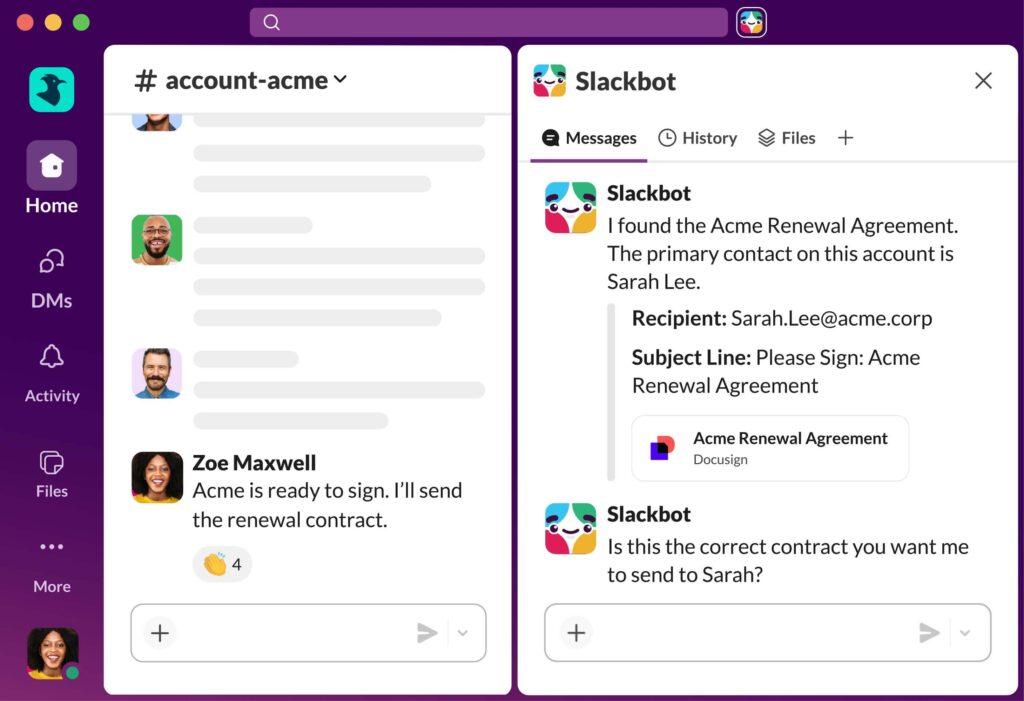
Example 2: Slack
USP: “All your team communication in one searchable place, no more lost information in email threads.”
Why it worked: Email was broken for team communication, but no one had offered a viable alternative until Slack. Their USP solved a real pain point that other tools were ignoring.
Example 3: Warby Parker
USP: “Stylish, affordable glasses with a try-at-home program and 1 for 1 charitable giving.”
Why it worked: The eyewear industry had kept prices high. Warby Parker created an online-first model (reducing costs) and added a social mission, creating multiple layers of differentiation.
Example 4: LocalBizGuide (Fictional Small Business)
USP: “We’re the only marketing agency in the Denver area that specializes in helping independent restaurants fill their seats—we’ve helped 47 restaurants increase foot traffic by an average of 32%.”
Why it worked: Instead of being a generic “marketing agency,” they specialized in a specific industry (restaurants) with a specific geographic location and a measurable result. This makes them the obvious choice for any Denver restaurant owner.
How to Build Your Marketing Around Your USP
Once you have your USP, it should be the foundation of everything you do.
Your content should consistently reinforce your USP. If your USP is speed, create content about “how to save time” or “why speed matters in your industry.” If your USP is expertise in a niche, create highly specialized content that only you can create.
Your ads should lead with your USP, not generic benefits.
USP-focused ad: “The only project management tool built specifically for remote teams. Say goodbye to timezone confusion and hello to perfect alignment. Free trial—no credit card required.”
Train your sales team to mention your USP in the first conversation. Make it your elevator pitch.
Your USP should be reflected in every interaction. If your USP is “white-glove service,” then every customer interaction should feel premium and personalized. If it’s “instant results,” your onboarding and delivery should be faster than competitors.
Don’t let your USP be just marketing speak—make it real in every customer interaction.

Measuring the Impact of Your USP
How do you know if your USP is actually working? Track these metrics:
Awareness Metrics
– Are customers mentioning your specific advantage unprompted?
– Do customers attribute their choice to your USP when you survey them?
Conversion Metrics
– Are prospects with USP-focused messaging converting at higher rates?
– Do landing pages that feature your USP perform better than generic pages?
Loyalty Metrics
– Are customers with lower price sensitivity (indicating they value your USP) more loyal?
– Do customers stay longer when they specifically chose you for your differentiator?
Pricing Power
– Can you command a premium price?
– Do customers resist price-based negotiations if your USP is strong?
Your Next Steps:
Building Your USP Today
Developing a powerful USP isn’t a one-time exercise, it’s an ongoing strategic process. Here’s how to start:
This Week:
- List 15-20 things your business does well
- Interview 5 of your best customers about why they chose you
- List what your main competitors claim as advantages
- Identify 3 areas where you have genuine advantages they don’t
This Month:
- Draft your USP statement (1-2 sentences)
- Test it against the five validation questions
- Identify where you’ll communicate your USP first (website headline, email, social media)
- Create marketing assets that feature your USP prominently
Moving Forward:
- Train your team to communicate your USP consistently
- Make your USP a living part of your brand, not just marketing copy
- Periodically revisit and refine your USP as your business evolves
Also Read: How to Convert Clicks – Guide to Improve Ecommerce Landing Pages

Final Thoughts
In a world of endless options, a clear, compelling Unique Selling Point isn’t a luxury, it’s a necessity.
Your USP is what allows you to:
– Attract the right customers (and repel the wrong ones)
– Command premium pricing
– Build a memorable brand
– Achieve sustainable competitive advantage
– Market more effectively with less budget
But here’s the key: your USP must be real. It can’t be marketing fluff. It has to be something you actually deliver on, every single day, in every customer interaction.
When you have a genuine USP, your marketing almost sells itself. Customers find you, choose you, stay with you, and recommend you, because you’ve given them a compelling reason to.
The question isn’t whether you can afford to develop a strong USP. The question is: can you afford not to?
Ready to Define Your Unique Selling Point?
Also Read: Understanding Your Audience: The Key to Successful Marketing